Thyroidectomy
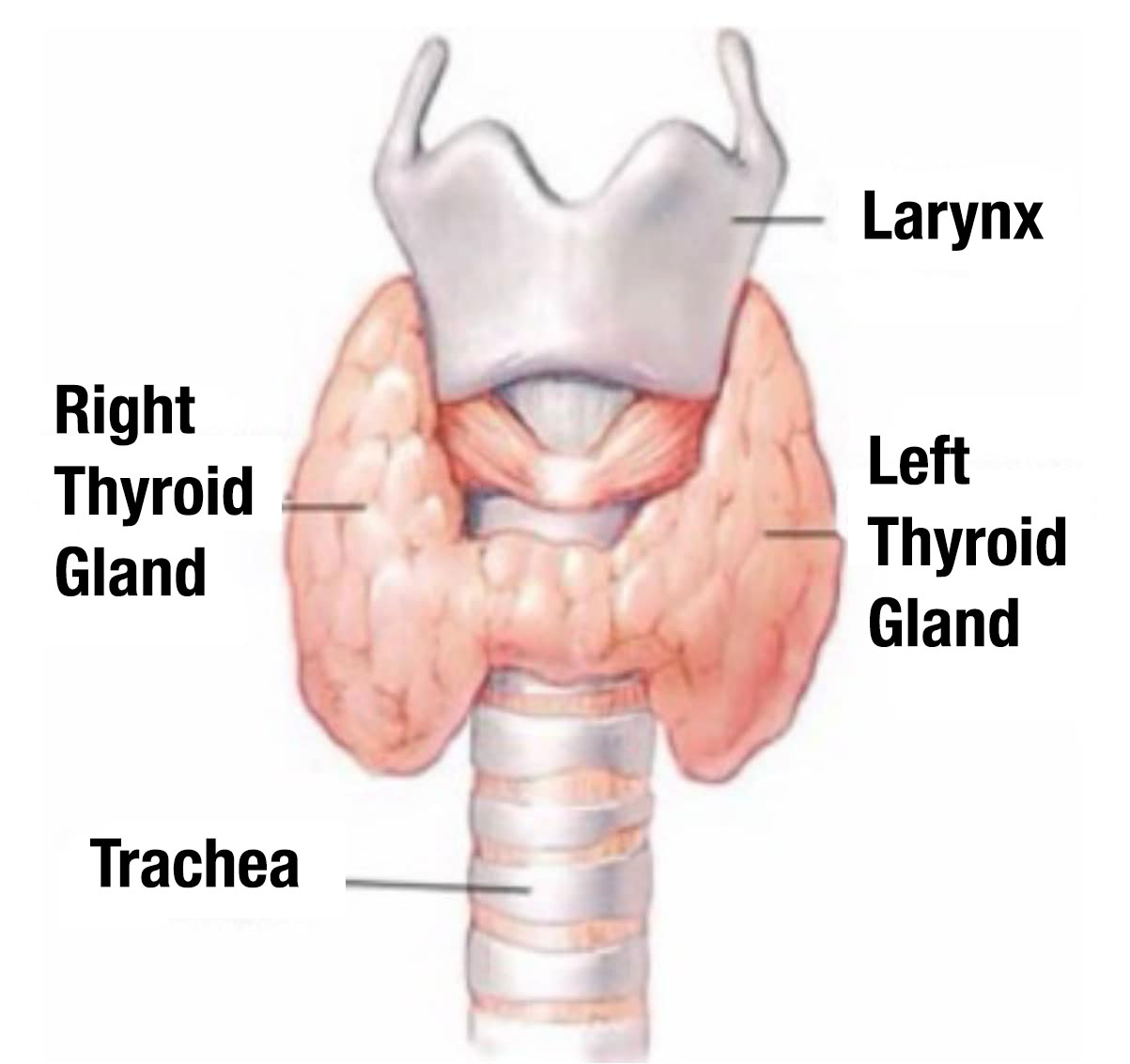
Thyroidectomy is a common surgical procedure used to treat thyroid cancer, hyperthyroidism, thyroid nodules, and enlarged thyroid glands (goitre). The operation is performed under general anaesthesia and may involve either partial or complete removal of the thyroid gland, the butterfly-shaped organ located at the front of the neck.
Depending on the extent of surgery, some patients may require lifelong thyroid hormone replacement therapy after the procedure.

Common Reasons for Surgery
- Thyroid cancer
- Hyperthyroidism
- Enlarged thyroid gland (goitre)
- Multiple thyroid nodules
- Compression symptoms affecting breathing or swallowing
- Suspicious or inconclusive thyroid biopsy results
Types of Surgery
- Total Thyroidectomy – Complete removal of the thyroid gland; lifelong thyroid hormone replacement is usually required.
- Thyroid Lobectomy – Removal of one thyroid lobe.
- Subtotal/Near-total Thyroidectomy – Most of the thyroid gland is removed while preserving a small amount of thyroid tissue.