Varicose Veins
(Commonly Known as “Spider Veins” or “Varicose Veins”)
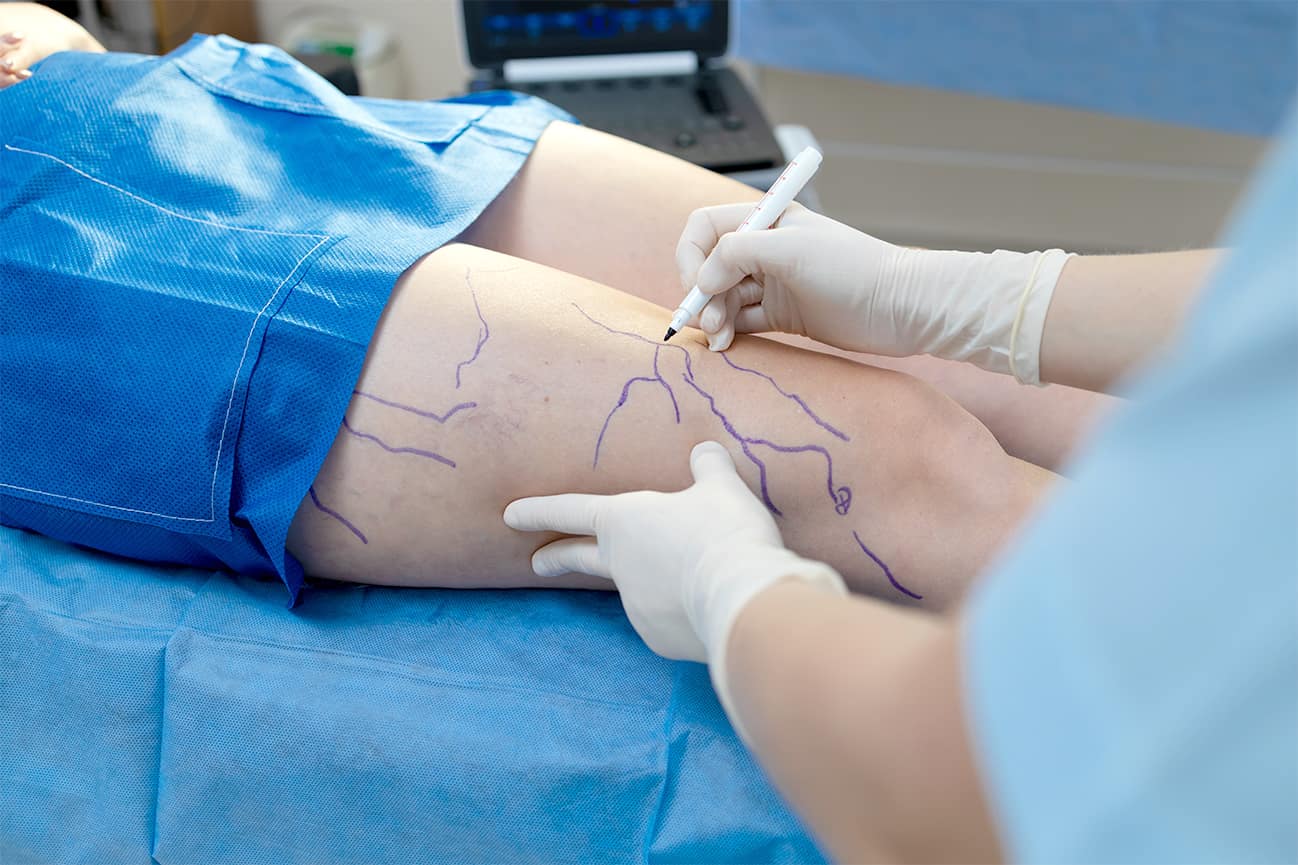
Varicose veins occur when the valves within the leg veins become weakened or damaged, causing blood to flow backward and pool within the veins. This results in enlarged, twisted veins that become visible beneath the skin’s surface.
The condition most commonly affects the legs and may lead to symptoms such as swelling, heaviness, pain, itching, and skin discoloration. In severe cases, complications such as thrombophlebitis (vein inflammation with clot formation) may occur.
Symptoms & Complications
Early Symptoms
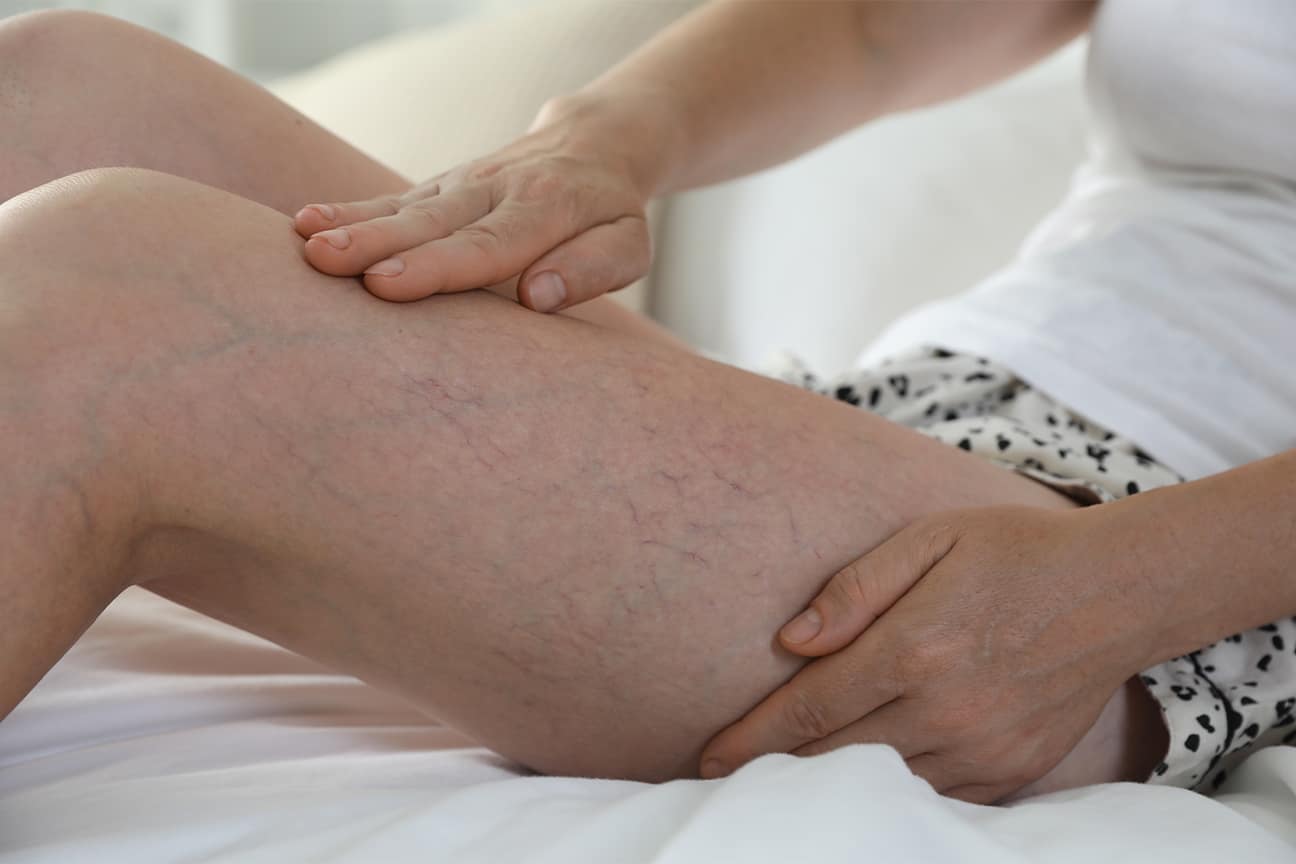
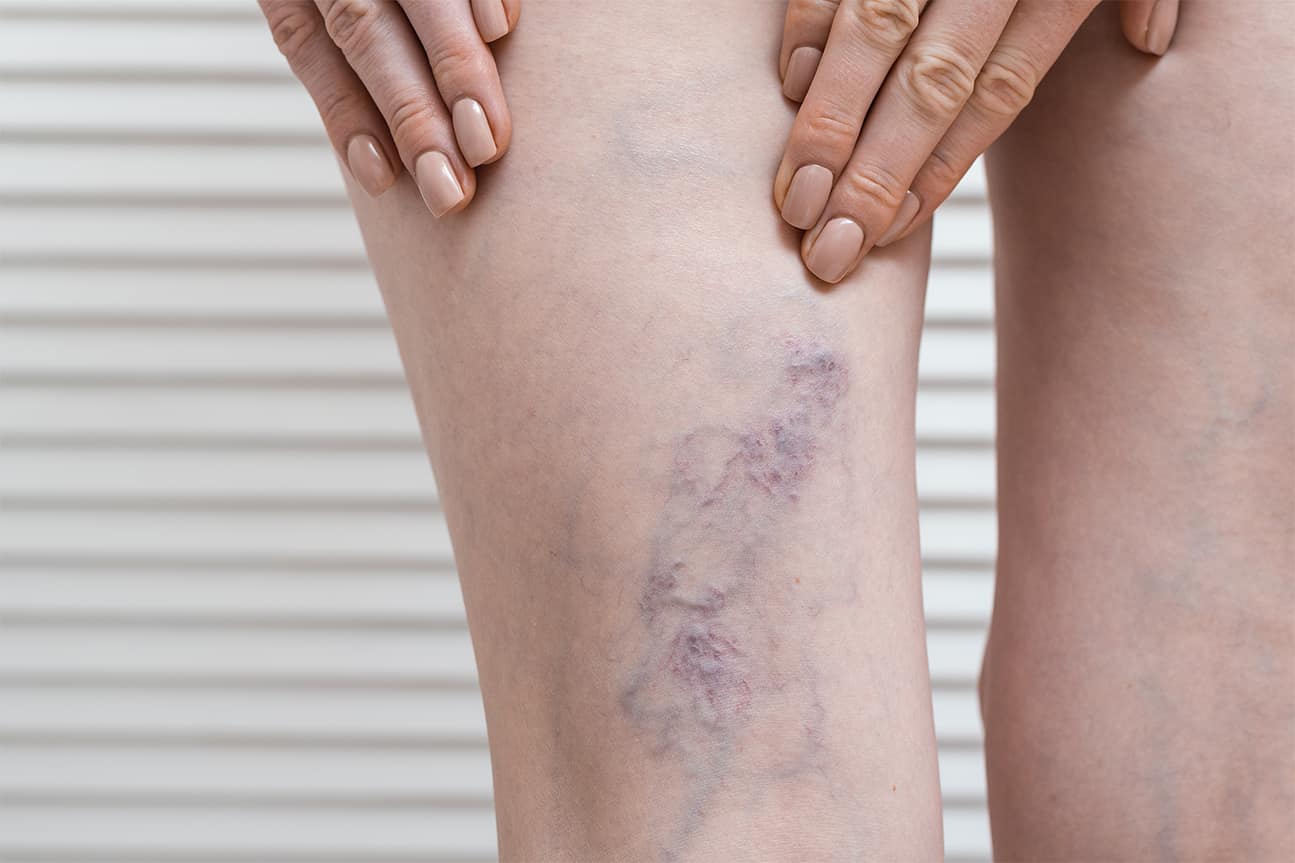
- Visible blue or purple veins beneath the skin
- Twisted, rope-like, or bulging veins
- Heaviness or aching in the legs
- Leg fatigue after prolonged standing or sitting
- Night-time leg cramps
- Mild swelling of the lower limbs
Progressive Symptoms
- Significant leg swelling
- Persistent itching around the affected veins
- Skin inflammation and irritation
- Skin discoloration (brownish pigmentation)
- Hardening or thickening of the skin
Serious Complications
- Venous leg ulcers (chronic non-healing wounds)
- Spontaneous bleeding from ruptured varicose veins
- Thrombophlebitis (inflammation and clot formation within the vein)
- Deep vein thrombosis (DVT)
- Pulmonary embolism, a potentially life-threatening condition caused by blood clots travelling to the lungs
Treatment Options
Conservative Management
Suitable for mild to moderate cases and may help relieve symptoms.
- Wearing medical-grade compression stockings
- Elevating the legs regularly
- Weight management
- Regular exercise and walking
- Avoiding prolonged standing or sitting
Minimally Invasive Treatments
Modern, effective treatments with minimal downtime.
Endovenous Radiofrequency Ablation (RFA)
Heat energy generated by radiofrequency waves is used to seal the affected vein, causing it to collapse and gradually be absorbed by the body.
Endovenous Laser Ablation (EVLA)
Laser energy is delivered through a small catheter to close the diseased vein, redirecting blood flow to healthier veins.
Benefits
- Minimally invasive
- Performed under local anaesthesia
- Minimal scarring
- Faster recovery compared with traditional surgery
Traditional Surgical Treatment
Vein Stripping Surgery
(Vein Stripping)
The diseased vein is surgically removed through small incisions.
This procedure may be recommended for extensive or complex cases where minimally invasive treatments are not suitable.